The March 2026 Oil Surge: A Missed Opportunity for USOI
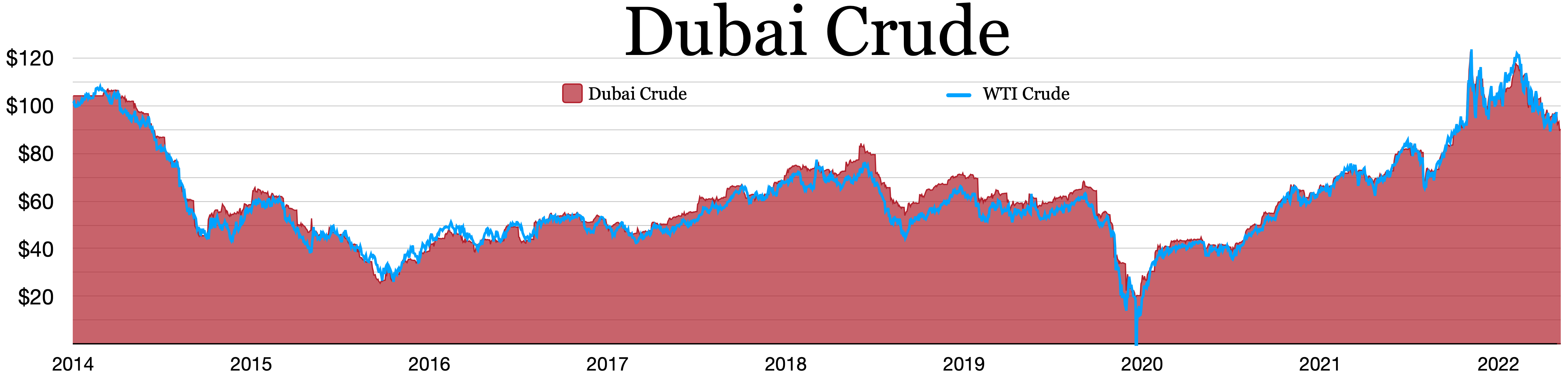
In early March 2026, geopolitical tensions in the Persian Gulf triggered a dramatic supply scare. WTI crude oil prices skyrocketed from approximately $71 to nearly $98 per barrel within two weeks. For investors holding direct positions in crude oil or funds tracking it without derivatives overlays, this represented a windfall. However, for holders of the ETRACS Crude Oil Shares Covered Call ETN (NASDAQ:USOI), the rally was significantly muted.
Despite the underlying asset's massive appreciation, USOI captured only a fraction of the move. The fund generated 24% year-to-date returns and provided meaningful monthly income, but its structural design prevented it from participating in gains beyond a specific threshold.
How the Covered Call Structure Works
USOI is not a standard commodity fund; it is an Exchange Traded Note (ETN) issued by UBS AG. Following Credit Suisse's collapse in 2023, the product migrated to UBS, which now acts as the counterparty. The ETN tracks the Nasdaq WTI Crude Oil FLOWS 106 Index.
The strategy involves holding a notional long position in United States Oil Fund (NYSEARCA:USO) shares while simultaneously selling monthly call options approximately 6% out-of-the-money.
"If United States Oil Fund rises more than 6% in a given month, the calls get exercised and USOI's upside stops there."
This mechanism trades away large price spikes for consistent cash flow. During March 2026, when oil surged nearly 38%, the ETN's exposure was capped at 6%. Consequently, once the rally exceeded that monthly limit, further gains were forfeited to option buyers.
The Income Trade-off and Volatility
The primary appeal of USOI lies in its income generation, which is derived from the premiums collected on sold call options. This income is highly sensitive to market volatility.
"Higher volatility inflates option premiums, meaning monthly distributions can be larger in environments like this one."
With the VIX reading at 25.09 during this period, USOI benefited from elevated premiums compared to calm markets. However, the article notes that while high volatility boosts income, it also introduces risk: "The VIX has spiked as high as 52.33 in April 2025, a period that would have generated maximum premium income, though the underlying oil position would have been under stress simultaneously."
Investors must recognize that distributions are not bond-like. They fluctuate based on option premiums and volatility levels rather than fixed interest rates.
Counterparty Risk and Structural Reality
Unlike Exchange Traded Funds (ETFs), which hold assets in a legally separate trust, an ETN is a senior unsecured debt obligation of the issuer.
"An ETF holds actual assets in a trust legally separate from the fund manager. An ETN is a bond."
This distinction carries significant weight regarding counterparty risk. If UBS AG were to face insolvency, USOI holders would be unsecured creditors with no claim on the underlying USO shares. While the migration from Credit Suisse to UBS was successful, it highlighted that returns depend on the issuing bank's solvency as much as oil prices.
Performance Context and Takeaway
USOI has posted respectable gains of nearly 24% year-to-date and about 20% over the past year. However, a direct comparison reveals what investors sacrificed:
- Capped Upside: The 6% monthly ceiling meant USOI missed the bulk of the March 2026 rally.
- Index vs. Total Return: The underlying index shows a one-year return of -4.78%. This negative figure reflects price depreciation after option premiums are paid out as income. The total return picture only becomes positive when those monthly payouts are added back in.
Context
The article highlights the structural limitations of covered call ETNs during periods of extreme asset appreciation. While USOI provides a mechanism for generating yield from oil exposure, it is explicitly designed to sacrifice capital appreciation above 6% per month in exchange for that income.
Takeaway
USOI is suitable only for income-focused investors who accept permanently capped upside and unsecured counterparty risk. It is not a vehicle for capturing major geopolitical rallies; rather, it is a tool for generating cash flow in volatile markets where the investor prioritizes monthly distributions over maximum capital gains.
Original source
USOI – Not For The Average Investor Seeking A Crude Oil Play
Published: Mar 20, 2026
Disclosure
This article is based on third-party reporting. Budget Nerd does not guarantee completeness or accuracy and is not responsible for external source content.